The Interval Myth: Why a Pause Is Not Just Dead Time
Understand the purpose of an interval at a live show, from practical audience needs to a clear return cue that brings attention back to the stage.
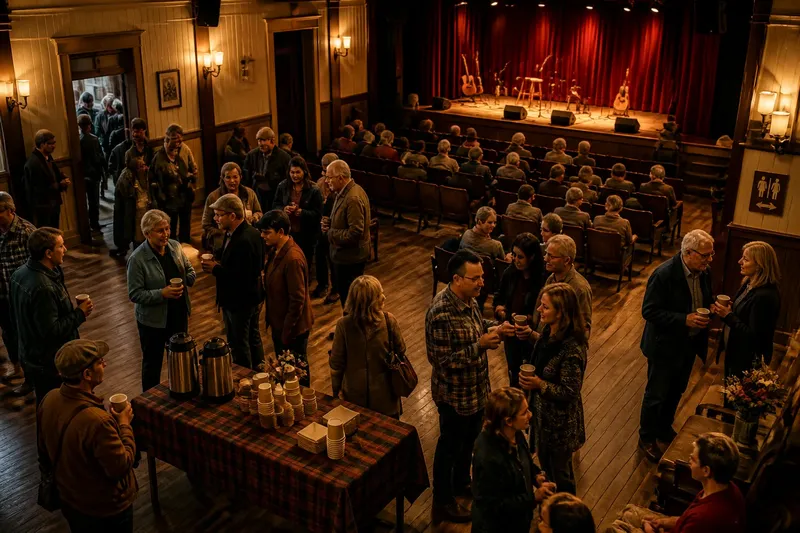
A well-run interval gives a live show a clear hinge: the first part ends, the room changes, and the performance begins again with a shared cue. The purpose of an interval is not simply to fill a gap in a village hall concert or a touring variety night. It is to let people meet ordinary needs without losing their sense of the event.
What does an interval let an audience do?
People follow lyrics, watch movement, listen for a punchline, or hold a story’s unresolved moment in mind. A pause lets that attention ease without asking the audience to forget the evening. It also makes room for practical needs: a stretch, a drink, a visit to the restroom, or a conversation with a neighbor.
That social part is especially visible at community shows. Someone may greet a relative from another village; another person may prefer to stay seated and take a quiet moment. Neither response is a distraction from the custom. The interval gives the audience room to choose how to spend the pause.
How can a pause prepare the return?
The transition back works best when people know what to expect. A host can name the interval, point out refreshments or restrooms, and explain how the return will be signaled. That simple information prevents uncertainty from taking over the break.
The cue should suit the room. A village hall might use a warm spoken welcome; a touring act could use a lighting change or a short musical phrase. It need not be elaborate. Like a door closing gently between two rooms, a clear cue marks a change without making the audience feel hurried for having stepped away.
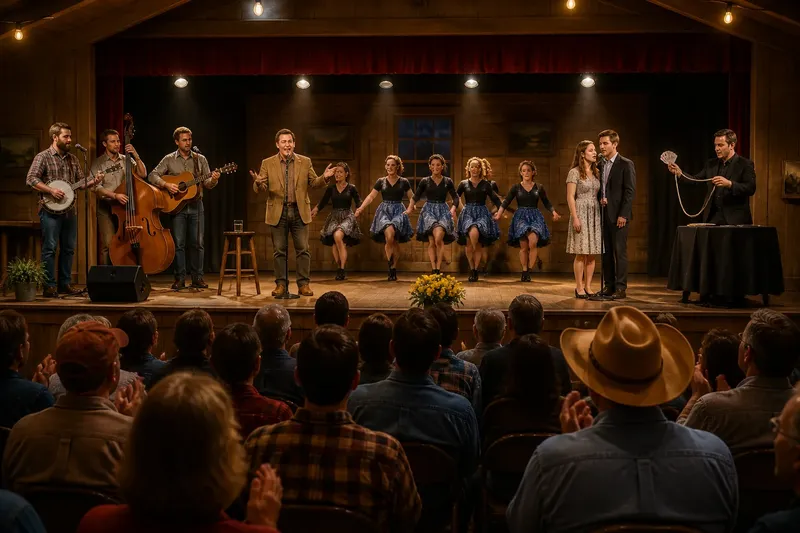
Say a small rural theater has just finished a first half with a quiet, unresolved song. The host announces that refreshments are beside the entrance and says the show will resume after the interval with a brief musical cue. People can move and talk, then recognize the cue as the signal to settle and listen again. The tradeoff is straightforward: a little explanation at the start of the break takes time, but avoids confusion when the performance resumes.
What should hosts communicate before the break?
Useful interval guidance is specific, brief, and easy to hear. Hosts and venue teams can check the following details and decide what to say:
- Check whether the audience has been told there is an interval; if not, announce it before the first half ends, or give a concise reminder if it has already been mentioned.
- Check that the return point is clear; if the restart time or signal is settled, state it plainly, and if it is not, ask the stage manager to confirm before announcing anything.
- Check that refreshments and restrooms are easy to find; if signs or directions are clear, point them out, and if not, give a verbal direction or add a visible sign.
- Check whether people can remain seated in the room; if they can, say so, and if they cannot, explain the venue’s arrangements and direct them to an appropriate waiting area.
- Check that the return cue can be heard or seen across the space; if it can, use it consistently, and if it cannot, choose a clearer announcement, light signal, or musical cue.
- Check whether the next section begins quietly or with a sudden sound; if it needs a calm start, allow the room to settle first, and if it can begin energetically, still give the audience a recognizable sign that the show has resumed.
These choices depend on what the show asks of its audience. After lively dancing, some people may need a quieter moment. Following a close, spoken performance, a gentle musical cue may make more sense than a loud announcement. A useful interval is shaped around the next part, not decorated with extra activity for its own sake.
What do audiences ask about the purpose of an interval?
Does every live show need an interval?
No. A short performance with a continuous structure may work better without one, while a longer evening or a marked change in form may benefit from a pause. The choice should reflect the performance and the audience’s practical needs.
Should an interval include entertainment?
It may include music or conversation, but it does not need a second program. Leaving open time lets people choose between socializing, resting, and staying in their seats.
How can a host bring people back without sounding abrupt?
Use a warm, audible cue and allow people a moment to return to their places. A brief welcome back gathers attention without suggesting that conversation during the break was unwelcome.
What makes an interval feel uncertain?
People may become unsure when they do not know how the show will resume or where to go during the pause. A clear return signal and practical directions give the break a recognizable shape.
How can the interval fit the character of the show?
There is no single interval style that suits every room. A family matinee, a ceilidh, and a night of spoken-word performance place different demands on people. Hosts can consider what the audience has just experienced and what comes next, then choose a pause and return cue that fit those transitions.
The purpose of an interval is easiest to see in the details: people know where they can go, can use the break in their own way, and receive a clear signal when the performance resumes. A pause does not control how anyone feels, but it can help the room move from one part of the evening to the next without confusion.